


In the realm of modern dentistry, ceramic dental implants have emerged as a popular alternative to traditional metal implants due to their superior biocompatibility, aesthetic appeal, and similar mechanical properties to natural teeth. As a provider of Ceramics PVD Coating Machines, there is a compelling question: Can our coating machines be effectively utilized for coating ceramic dental implants? This inquiry delves into the intricate details of both PVD (Physical Vapor Deposition) coating technology and the unique requirements of ceramic dental implants.
Understanding Ceramics PVD Coating Machine
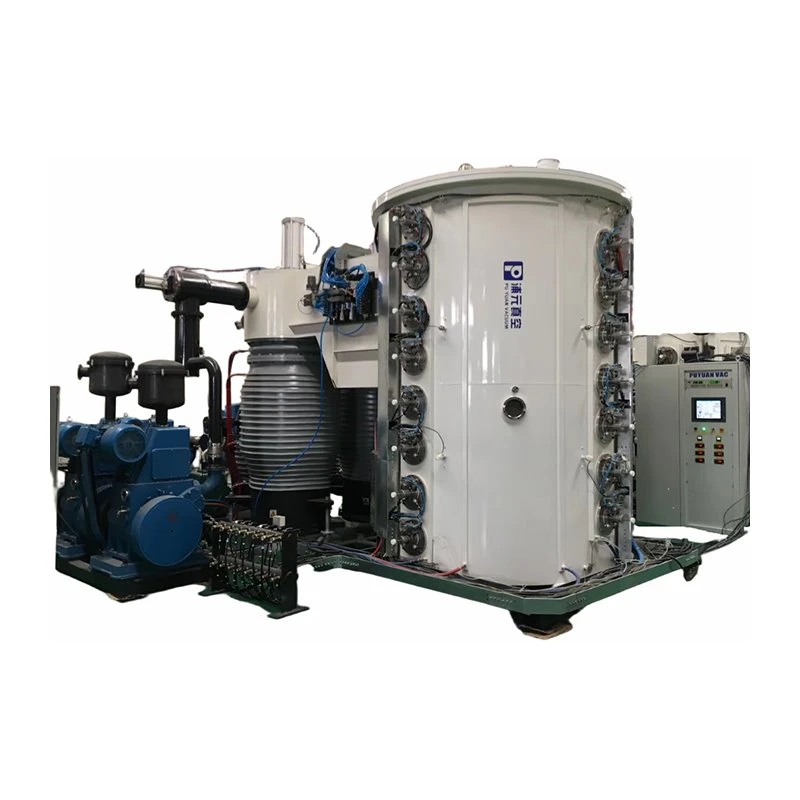
PVD coating technology is a process that involves the deposition of thin films onto a substrate in a vacuum environment. Our Ceramics PVD Coating Machine uses this technology to create high - performance coatings on ceramic materials. The machine works by vaporizing a solid material, which then condenses onto the surface of the ceramic substrate, forming a dense and adherent coating. This coating can enhance the surface properties of the ceramic, such as hardness, wear resistance, corrosion resistance, and biocompatibility.
The machine is equipped with advanced deposition chambers, targets (the source of the coating material), and power supply systems. The deposition process can be precisely controlled, allowing for the customization of coating thickness, composition, and structure. Different types of PVD processes can be employed, including magnetron sputtering and arc evaporation, depending on the specific requirements of the coating.
Requirements for Coating Ceramic Dental Implants
Biocompatibility
One of the most critical requirements for ceramic dental implants is biocompatibility. The coating must not cause any adverse reactions in the human body, such as inflammation, allergic responses, or cytotoxicity. It should integrate well with the surrounding tissues, promoting osseointegration (the direct contact between the implant and the bone).
Wear Resistance
Dental implants are subjected to significant mechanical stress during chewing and biting. A wear - resistant coating can protect the ceramic surface from abrasion, ensuring the long - term durability of the implant. This is especially important as any wear on the implant surface could potentially lead to the release of particles, which may cause inflammation in the surrounding tissues.
Aesthetic Appeal
Since dental implants are visible in the oral cavity, the coating should maintain or enhance the aesthetic appearance of the ceramic. It should have a natural color and smooth finish, matching the surrounding teeth and gums.

Chemical Stability
The coating should be chemically stable in the oral environment, which contains a variety of acidic and alkaline substances from saliva, food, and drinks. It should resist corrosion and degradation over time, ensuring the integrity of the implant.
Can Ceramics PVD Coating Machine Meet the Requirements?
Biocompatibility
Our Ceramics PVD Coating Machine can be used to deposit biocompatible materials such as titanium nitride (TiN), titanium dioxide (TiO₂), and hydroxyapatite. These materials have been extensively studied and have shown excellent biocompatibility in medical and dental applications. The precise control of the coating process ensures that the coating is free of impurities and has a uniform composition, minimizing the risk of adverse reactions in the body.
Wear Resistance
By adjusting the process parameters of the PVD coating machine, we can deposit hard coatings on ceramic dental implants. For example, diamond - like carbon (DLC) coatings can be applied, which have extremely high hardness and low friction coefficients. These coatings can significantly improve the wear resistance of ceramic implants, protecting them from the mechanical forces during mastication.
Aesthetic Appeal
The coating process can be optimized to achieve a natural - looking finish. The machine allows for the deposition of thin, transparent coatings that do not alter the color of the ceramic significantly. Additionally, the smooth surface finish of the PVD - coated ceramic can enhance its aesthetic appeal, making it more visually appealing in the oral cavity.
Chemical Stability
The PVD coatings deposited by our machine are highly dense and chemically stable. They form a protective barrier on the ceramic surface, preventing the ingress of corrosive substances in the oral environment. For instance, ceramic - based coatings can provide excellent chemical resistance, ensuring the long - term stability of the dental implant.
Advantages of Using Our Ceramics PVD Coating Machine for Dental Implants
Customization
Our machine offers a high degree of customization. We can adjust the coating material, thickness, and structure according to the specific needs of the dental implant. Different patients may have different anatomical and physiological requirements, and our machine can produce coatings that are tailored to these individual needs.
Efficiency
The PVD coating process is relatively fast compared to other coating methods. Our machine can coat multiple dental implants simultaneously, increasing the production efficiency. This is beneficial for dental laboratories and manufacturers who need to produce a large number of implants in a short period.
Cost - effectiveness
In the long run, using our Ceramics PVD Coating Machine for coating dental implants can be cost - effective. The enhanced properties of the coated implants, such as improved wear resistance and biocompatibility, can extend the lifespan of the implants, reducing the need for frequent replacements.
Other Applications of Our Coating Machines
Apart from dental implants, our PVD coating machines have a wide range of applications. For example, our Stainless Steel PVD Coating Machine is designed to coat stainless - steel products. It can enhance the appearance and corrosion resistance of stainless - steel items, making them more suitable for various industrial and decorative applications.
Our Sanitary PVD Coating Machine is used for coating sanitary products. The coatings can improve the antibacterial properties and durability of sanitary fixtures, such as faucets and showerheads. Similarly, our Sanitary Bathroom Ware PVD Coating Machine is specifically designed for coating bathroom ware, adding a touch of elegance and functionality to these products.
Conclusion
In conclusion, our Ceramics PVD Coating Machine can indeed be effectively used for coating ceramic dental implants. It can meet the stringent requirements of biocompatibility, wear resistance, aesthetic appeal, and chemical stability. With its advantages of customization, efficiency, and cost - effectiveness, it offers a viable solution for dental laboratories and implant manufacturers.
If you are in the dental industry or any other industry that requires high - quality PVD coatings, we welcome you to contact us for further discussions and potential procurement. Our team of experts is ready to provide you with detailed information and technical support to help you achieve the best coating results.
References
- Buser, D., Martin, W., & Belser, U. C. (2004). Optimizing esthetics for implant restorations with a transmucosal abutment design: A 12 - month prospective multicenter clinical study. The International journal of oral & maxillofacial implants, 19 Suppl, 43-51.
- Zitzmann, N. U., & Schiegnitz, E. (2006). A simplified classification for dental implants. Clin Oral Implants Res, 17(3), 329 - 333.
- Wennerberg, A., & Albrektsson, T. (2009). Protein adsorption and bone response to titanium implants with different surface characteristics. Journal of oral implantology, 35(5), 375-386.


