


Achieving high - quality coating is a crucial aspect in the watch manufacturing industry. As a Watch PVD Coating Machine supplier, I understand the significance of controlling various factors to ensure outstanding coating results. In this blog, I will delve into the key factors that influence coating quality and share effective strategies to manage them.
1. Substrate Preparation
The quality of the substrate surface has a direct impact on the adhesion and appearance of the coating. Before the coating process, the watch components need to be thoroughly cleaned and pre - treated. Contaminants such as oil, grease, dust, and oxides on the substrate surface can prevent the coating from adhering properly, leading to issues like peeling and flaking.
To ensure proper substrate preparation, a multi - step cleaning process is usually required. First, a degreasing step using solvents or alkaline cleaners can remove oil and grease. Ultrasonic cleaning can be highly effective in this regard, as it uses high - frequency sound waves to create microscopic bubbles that implode and remove contaminants from the surface. After degreasing, a thorough rinse with deionized water is necessary to remove any remaining cleaning agents.
Next, a surface activation step can be carried out. This may involve processes like plasma cleaning, which uses a low - temperature plasma to modify the surface chemistry of the substrate, improving its wettability and reactivity. By enhancing the surface energy of the substrate, the coating can adhere more firmly.
2. Coating Material Selection
The choice of coating material is another critical factor in determining the quality of the coating. Different coating materials offer different properties, such as hardness, wear resistance, corrosion resistance, and aesthetic appearance.
For watches, common coating materials include titanium nitride (TiN), titanium carbonitride (TiCN), and chromium nitride (CrN). TiN is well - known for its gold - like appearance and good wear resistance, making it a popular choice for decorative coatings on watch cases and bands. TiCN offers enhanced hardness and wear resistance compared to TiN, while CrN provides excellent corrosion resistance and a silver - gray appearance.
When selecting a coating material, it is essential to consider the specific requirements of the watch. For example, if the watch is intended for sports or outdoor use, a coating with high wear and corrosion resistance would be preferred. On the other hand, if the focus is on aesthetics, a coating with an appealing color and finish may be more suitable.
3. Coating Process Parameters
The PVD (Physical Vapor Deposition) coating process involves several parameters that need to be carefully controlled to achieve good coating quality. These parameters include temperature, pressure, gas flow rate, and deposition time.
Temperature
The temperature during the coating process affects the structure and properties of the coating. Higher temperatures can promote better diffusion and adhesion of the coating material to the substrate, but excessive temperatures may also cause thermal stress and deformation of the watch components. Therefore, it is necessary to find an optimal temperature range. For most watch PVD coating applications, the temperature is typically controlled between 150°C and 350°C.
Pressure
The pressure in the coating chamber also plays a vital role. A low - pressure environment is usually required to create a vacuum, which helps to prevent contamination and ensure a pure coating. However, the pressure needs to be carefully adjusted according to the specific coating process and material. For example, in magnetron sputtering, a pressure in the range of 10⁻³ to 10⁻² Pa is commonly used.
Gas Flow Rate
The gas flow rate is crucial for controlling the chemical composition and structure of the coating. Different gases, such as argon (Ar), nitrogen (N₂), and acetylene (C₂H₂), are used in the PVD process. Argon is often used as a sputtering gas to ionize and eject the coating material from the target. Nitrogen and acetylene can be used to form nitride and carbide coatings, respectively. By adjusting the gas flow rates, the stoichiometry and properties of the coating can be precisely controlled.

Deposition Time
The deposition time determines the thickness of the coating. A thicker coating generally provides better wear and corrosion resistance, but it also takes longer to deposit and may increase the cost. Therefore, the deposition time needs to be optimized based on the specific requirements of the watch and the coating material.
4. Equipment Maintenance and Calibration
As a Watch PVD Coating Machine supplier, I emphasize the importance of regular equipment maintenance and calibration. A well - maintained and calibrated coating machine is essential for consistent and high - quality coating results.
Regular maintenance includes cleaning the coating chamber, replacing worn - out parts, and checking the integrity of the vacuum system. The coating chamber should be cleaned after a certain number of coating cycles to remove any residual coating material and contaminants. Worn - out parts, such as targets and electrodes, need to be replaced in a timely manner to ensure proper operation of the machine.
Calibration is also crucial to ensure that the process parameters are accurate and consistent. The temperature, pressure, gas flow rate, and other parameters should be calibrated regularly using appropriate measuring instruments. By maintaining the accuracy of the equipment, the coating quality can be effectively controlled.
5. Environmental Factors
The environment in which the coating process takes place can also affect the coating quality. Factors such as temperature, humidity, and air quality need to be controlled.
A stable temperature and humidity environment are necessary to prevent condensation and ensure consistent coating results. High humidity can cause moisture to be absorbed by the substrate and coating material, leading to poor adhesion and coating defects. Therefore, the coating room should be equipped with air - conditioning and dehumidification systems to maintain a stable environment.
In addition, the air quality in the coating room is important. Dust and other particulate matter in the air can contaminate the coating process and cause defects in the coating. A cleanroom environment with proper air filtration is recommended to minimize the impact of environmental contaminants.
Our PVD Coating Machines
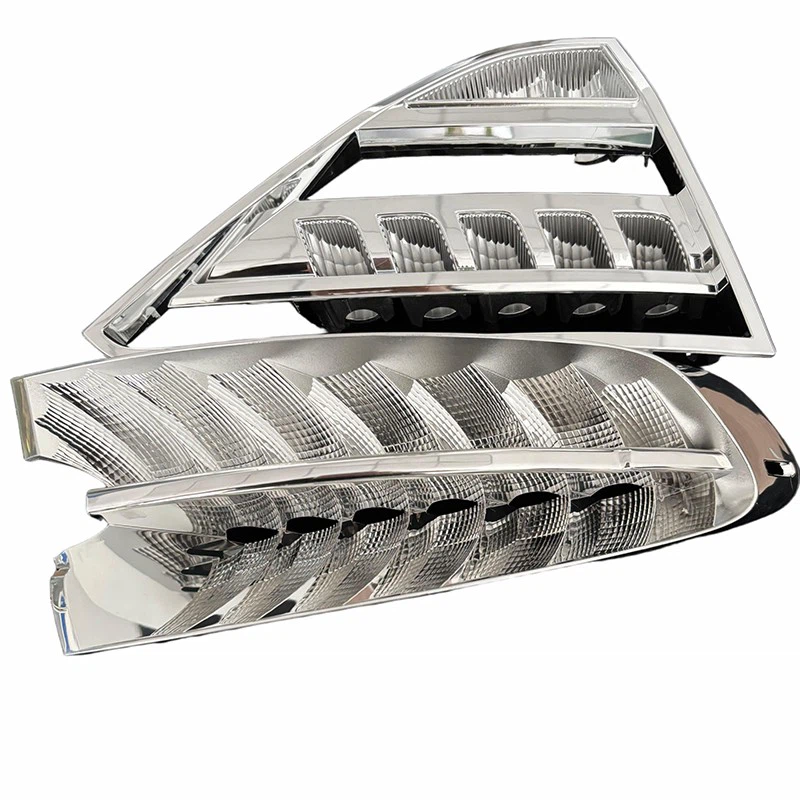
At our company, we offer a range of high - quality PVD coating machines suitable for watch coating applications. Our Double Door Headlight Special PVD Coating Machine is designed with advanced technology to ensure uniform coating and high - efficiency operation. It features a double - door design for easy loading and unloading of workpieces, and precise control of process parameters.
Our Hard Film PVD Coating Machine is capable of depositing hard and wear - resistant coatings on watch components. It uses state - of - the - art magnetron sputtering technology to produce coatings with excellent mechanical properties.
For general hardware coating needs, our Hardware PVD Coating Machine provides a reliable and cost - effective solution. It can be customized to meet different coating requirements and is suitable for a variety of watch parts.
Conclusion
Controlling the factors mentioned above is essential for ensuring good coating quality in watch manufacturing. By paying attention to substrate preparation, coating material selection, process parameters, equipment maintenance, and environmental factors, manufacturers can achieve high - quality, durable, and aesthetically pleasing coatings on their watches.
If you are interested in our Watch PVD Coating Machines or have any questions about the coating process, please feel free to contact us for further discussion and procurement negotiation. We are committed to providing you with the best solutions for your watch coating needs.
References
- "Physical Vapor Deposition (PVD) Technology: Principles and Applications" by John A. Thornton
- "Surface Engineering for Wear and Corrosion Resistance" by S. K. Chawla


