


In the watch manufacturing industry, the quality of the coating on a watch is of paramount importance. It not only enhances the aesthetic appeal of the timepiece but also provides protection against wear, corrosion, and scratches. As a leading supplier of Watch PVD Coating Machines, we understand the significance of ensuring that the coating quality meets the highest standards. In this blog post, we will share some key strategies and best practices to help you achieve optimal coating results after using our Watch PVD Coating Machine.
1. Pre - Coating Preparation
The first step in ensuring high - quality coating is proper pre - coating preparation. This involves thorough cleaning and surface treatment of the watch components. Any dirt, oil, or contaminants on the surface can prevent the coating from adhering properly, leading to defects such as peeling or blistering.
- Cleaning Process: We recommend using a multi - step cleaning process. Start with a degreasing step using a suitable solvent to remove any oils or greases from the watch parts. This can be followed by an ultrasonic cleaning process in a cleaning solution specifically formulated for watch components. Ultrasonic waves create tiny bubbles that implode on the surface of the parts, effectively removing even the smallest particles of dirt. After ultrasonic cleaning, rinse the parts thoroughly with deionized water to remove any remaining cleaning agents.
- Surface Treatment: In addition to cleaning, surface treatment can improve the adhesion of the coating. One common surface treatment method is sandblasting or micro - abrasion, which creates a rough surface on the watch components. This rough surface provides more area for the coating to adhere to, enhancing the bond between the substrate and the coating.
2. Machine Calibration and Maintenance
A well - calibrated and maintained Watch PVD Coating Machine is essential for consistent and high - quality coating results.

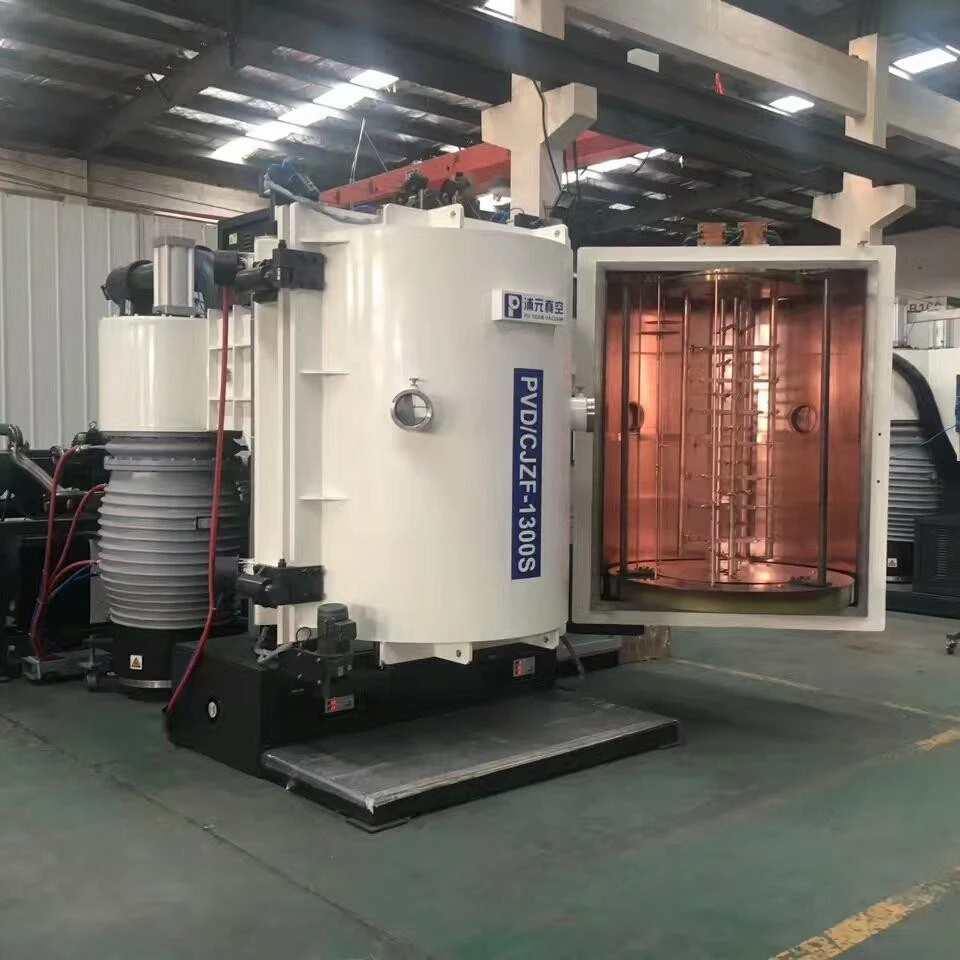
- Calibration: Regular calibration of the machine ensures that all the parameters, such as temperature, pressure, and gas flow rates, are set accurately. Incorrect parameter settings can lead to uneven coating thickness, color variations, or poor adhesion. Our machines are designed with advanced calibration systems that allow for precise adjustment of these parameters. However, it is still important to perform regular checks and calibrations to ensure optimal performance.
- Maintenance: Proper maintenance of the coating machine is crucial. This includes regular cleaning of the vacuum chamber, replacement of worn - out components, and inspection of the electrical and mechanical systems. A dirty vacuum chamber can introduce contaminants into the coating process, while worn - out components may not function properly, affecting the coating quality. We provide detailed maintenance manuals and offer technical support to help our customers keep their machines in top condition.
3. Coating Material Selection
The choice of coating material has a significant impact on the quality and performance of the watch coating.
- Quality and Purity: Select high - quality and pure coating materials to ensure a uniform and durable coating. Impurities in the coating material can cause defects in the coating, such as pinholes or color variations. We offer a wide range of coating materials, including titanium nitride (TiN), titanium carbide (TiC), and zirconium nitride (ZrN), which are known for their excellent hardness, wear resistance, and aesthetic appeal.
- Compatibility: Ensure that the coating material is compatible with the watch substrate. Different materials have different thermal expansion coefficients, and if the coating and the substrate are not compatible, it can lead to stress and cracking in the coating over time. Our technical team can provide guidance on the selection of the most suitable coating material for your specific watch components.
4. Coating Process Control
Controlling the coating process is vital to achieving consistent and high - quality results.
- Deposition Rate: The deposition rate of the coating material affects the coating thickness and structure. A too - high deposition rate can result in a rough and porous coating, while a too - low deposition rate can lead to a thin and weak coating. Our Watch PVD Coating Machines are equipped with advanced control systems that allow for precise adjustment of the deposition rate.
- Coating Thickness: Uniform coating thickness is crucial for achieving consistent appearance and performance. Use in - situ monitoring devices to measure the coating thickness during the process and make adjustments as needed. Our machines can be integrated with thickness monitoring systems to ensure accurate and uniform coating thickness across all watch components.
- Gas Composition and Pressure: The composition and pressure of the gases used in the PVD process also play a key role in the coating quality. Different gases can be used to achieve different coating properties, such as hardness, color, and adhesion. For example, nitrogen is commonly used in the deposition of nitride coatings. Maintaining the correct gas pressure is essential for stable and uniform coating deposition.
5. Post - Coating Inspection
After the coating process is complete, a comprehensive post - coating inspection is necessary to ensure that the coating quality meets the standards.
- Visual Inspection: Conduct a visual inspection of the watch components to check for any visible defects, such as scratches, bubbles, or color variations. Use a magnifying glass or a microscope to detect any minor defects that may not be visible to the naked eye.
- Adhesion Testing: Perform adhesion tests to ensure that the coating is firmly bonded to the substrate. One common adhesion test method is the cross - hatch test, where a grid pattern is cut into the coating, and adhesive tape is applied and then removed. If the coating does not peel off, it indicates good adhesion.
- Hardness Testing: Measure the hardness of the coating to ensure that it meets the required specifications. Hardness testing can be done using a hardness tester, such as a micro - hardness tester. The hardness of the coating affects its wear resistance and durability.
6. Continuous Improvement and Training
To consistently achieve high - quality coating results, it is important to implement a continuous improvement process and provide training to your operators.
- Continuous Improvement: Analyze the coating quality data from each batch of watch components and identify any areas for improvement. This could involve adjusting the pre - coating preparation process, optimizing the machine parameters, or changing the coating material. By continuously improving the process, you can enhance the coating quality and reduce the number of defective products.
- Operator Training: Provide comprehensive training to your operators on the operation, maintenance, and troubleshooting of the Watch PVD Coating Machine. Well - trained operators are more likely to follow the correct procedures and make accurate adjustments, resulting in better coating quality. We offer training programs for our customers to ensure that their operators are fully competent in using our machines.
As a supplier of Watch PVD Coating Machines, we also offer a variety of other PVD coating machines for different applications. For example, if you are interested in coating bathroom and kitchen accessories, you can check out our PVD Coating Machine For Bathroom Kitchen Accessories. If you need a machine for coating double - door headlights, our Double Door Headlight Special PVD Coating Machine is a great choice. And for sanitary faucet coating, we have the Sanitary Faucet Physical Vapor Deposition PVD Machine.
If you are looking to improve the coating quality of your watches or are interested in our other PVD coating machines, we encourage you to contact us for further discussion and procurement negotiation. Our team of experts is ready to assist you in finding the best solution for your needs.
References
- "Physical Vapor Deposition: Principles, Technology, and Applications" by John A. Thornton.
- "Handbook of Thin Film Technology" edited by Leon I. Maissel and R. Glenn Glang.
- Industry research reports on watch manufacturing and PVD coating technology.


