


Hey there! As a supplier of PVD coating machines, I often get asked about the coating chemical stability of these machines. So, I thought I'd take a moment to break it down for you.
First off, let's talk about what PVD is. PVD stands for Physical Vapor Deposition. It's a process where a thin film is deposited onto a surface. This is done by vaporizing a solid material in a vacuum chamber and then allowing it to condense onto the substrate. PVD coatings are used in a wide range of industries, from automotive to jewelry, because they offer excellent wear resistance, corrosion resistance, and can even give a nice aesthetic finish.
Now, the chemical stability of a PVD coating is super important. It refers to how well the coating can resist chemical reactions with its environment. A stable coating won't break down easily when it comes into contact with chemicals, moisture, or other substances. This is crucial because if the coating isn't stable, it can start to degrade, which can affect the performance and appearance of the coated product.
There are a few factors that can influence the chemical stability of a PVD coating. One of the main factors is the composition of the coating material. Different materials have different chemical properties, and some are more stable than others. For example, coatings made from titanium nitride (TiN) are known for their good chemical stability. They can resist corrosion in many environments and are often used in applications where the coated part will be exposed to harsh chemicals or high humidity.
Another factor is the coating process itself. The way the coating is deposited can affect its structure and density, which in turn can impact its chemical stability. A well - deposited coating with a dense and uniform structure is more likely to be chemically stable. Our Rainbow Color PVD Coating Machine uses advanced deposition techniques to ensure that the coatings it produces have a high level of density and uniformity, which helps to improve their chemical stability.
The substrate material also plays a role. If the substrate has a rough surface or contains impurities, it can affect the adhesion of the coating and its chemical stability. That's why proper surface preparation is so important before applying a PVD coating. We always recommend cleaning and treating the substrate to ensure a smooth and clean surface for the coating to adhere to.
Let's take a look at some real - world examples of where chemical stability matters. In the automotive industry, PVD - coated parts like engine components or exterior trim need to be chemically stable. They are exposed to all sorts of chemicals, such as gasoline, oil, and road salts. A coating with poor chemical stability could start to corrode or peel off, which would not only look bad but could also affect the performance and safety of the vehicle.
In the medical field, PVD coatings are used on surgical instruments. These instruments need to be sterilized regularly, which often involves exposure to harsh chemicals. A chemically stable coating ensures that the instruments remain in good condition and that the coating doesn't release any harmful substances into the body during surgery.
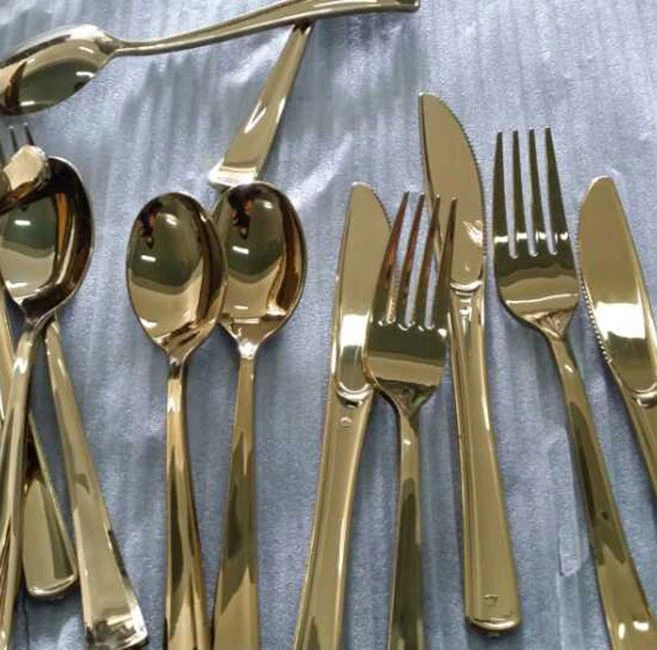

Our Multifunctional PVD Coating Machine is designed to produce coatings with high chemical stability for a variety of applications. It can deposit different types of coatings, allowing you to choose the material that best suits your specific chemical environment.
When it comes to the electronics industry, ITO Glass Coating Machine is used to coat glass with indium tin oxide (ITO). ITO coatings need to be chemically stable because they are often used in touchscreens and other electronic devices. They are exposed to various cleaning agents and environmental conditions, and a stable coating ensures the long - term performance of the device.
So, how can you test the chemical stability of a PVD coating? There are several methods. One common method is the salt spray test. In this test, the coated sample is exposed to a salt - water mist for a certain period of time. After the test, the sample is examined for signs of corrosion or coating degradation. Another method is the immersion test, where the sample is immersed in a specific chemical solution for a set time and then inspected.
As a supplier, we take the chemical stability of our PVD coatings very seriously. We conduct rigorous testing on all our coatings to ensure they meet high - quality standards. We also work closely with our customers to understand their specific needs and recommend the best coating materials and processes for their applications.
If you're in the market for a PVD coating machine and are concerned about the coating chemical stability, we're here to help. We have a team of experts who can answer all your questions and guide you through the selection process. Whether you need a machine for a small - scale operation or a large - scale industrial application, we've got the right solution for you.
Contact us today to start a conversation about your PVD coating needs. We're eager to work with you and help you achieve the best results with our high - quality PVD coating machines.
References
- "Physical Vapor Deposition: A Practical Guide" by W. D. Sproul
- "Handbook of Thin Film Deposition Processes and Techniques" edited by K. Seshan


