


Hey there! As a supplier of PVD coating machines, I often get asked about the anti-static requirements for these nifty pieces of equipment. So, I thought I'd take a deep dive into this topic and share what I know.
First off, let's talk about why anti-static measures are so important for PVD coating machines. PVD, or Physical Vapor Deposition, is a process where thin films are deposited onto a substrate. During this process, static electricity can cause a whole bunch of problems. For starters, static charges can attract dust and other contaminants. In a PVD coating process, even the tiniest bit of dust can ruin the quality of the coating. It can create defects, such as pinholes or rough spots, which are a big no-no in industries where precision and high-quality finishes are crucial.
Another issue is that static electricity can interfere with the electrical components of the PVD coating machine. These machines rely on a delicate balance of electrical currents and voltages to operate correctly. A sudden static discharge can cause malfunctions, damage sensitive electronic parts, or even lead to system failures. This not only disrupts the coating process but also results in costly repairs and downtime.
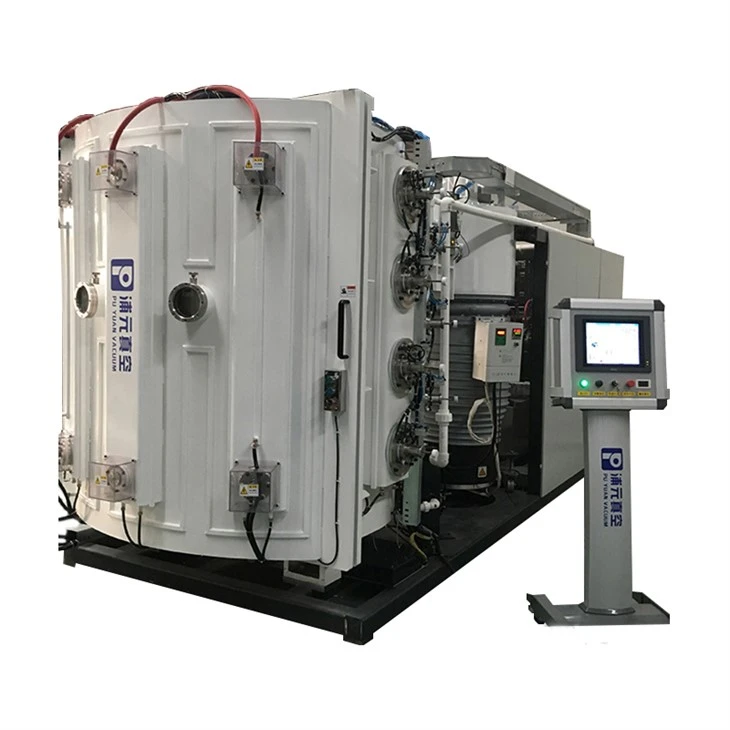

Now, let's get into the specific anti-static requirements for a PVD coating machine.
Grounding
One of the most basic and essential anti-static requirements is proper grounding. The PVD coating machine needs to be connected to a reliable ground source. This provides a path for static charges to flow safely into the ground, preventing them from building up on the machine. The grounding system should be designed and installed according to electrical safety standards. It's important to regularly check the grounding connection to make sure it's still in good condition. Over time, corrosion or loose connections can occur, which can compromise the effectiveness of the grounding system.
Anti-static Flooring
The flooring in the area where the PVD coating machine is located also plays a crucial role. Anti-static flooring is a must-have. This type of flooring is designed to dissipate static charges, preventing them from accumulating on the floor surface. When operators walk on the floor, any static charges they generate are safely released through the flooring material. There are different types of anti-static flooring available, such as conductive epoxy flooring or anti-static vinyl tiles. The choice of flooring depends on factors like the environment, budget, and the level of static protection required.
Ionization
Ionization is another important anti-static measure. Ionizers are devices that generate positive and negative ions. These ions neutralize static charges on the surface of the substrate and the internal components of the PVD coating machine. There are two main types of ionizers: corona discharge ionizers and photo-ionizers. Corona discharge ionizers work by creating a corona effect to generate ions, while photo-ionizers use high-intensity UV light. Ionizers should be strategically placed around the PVD coating machine to ensure effective static neutralization. They need to be regularly maintained and calibrated to keep them working at their best.
Anti-static Clothing and Accessories
Operators working with the PVD coating machine should wear anti-static clothing and accessories. Anti-static clothing is made from special fabrics that prevent the build-up of static charges on the body. This includes lab coats, gloves, and shoe covers. By wearing these items, operators can minimize the risk of introducing static electricity into the coating process. Anti-static wrist straps are also commonly used. These straps are connected to a ground source and ensure that any static charges on the operator's body are safely discharged.
Environmental Control
The environment in which the PVD coating machine operates can have a significant impact on static electricity. Low humidity levels tend to increase static build-up, while higher humidity can help dissipate static charges. It's important to maintain a proper humidity level in the coating area, typically between 40% and 60%. This can be achieved using humidifiers or dehumidifiers, depending on the ambient conditions. Additionally, the temperature should be kept within a stable range to prevent thermal expansion and contraction of the machine's components, which can also contribute to static issues.
Equipment Design
The design of the PVD coating machine itself should incorporate anti-static features. For example, the internal components should be made from materials that are less likely to generate or hold static charges. Smooth surfaces and rounded edges can reduce the accumulation of static electricity. The machine should also have proper shielding and isolation to prevent external static fields from affecting its operation.
As a supplier of PVD coating machines, we understand the importance of these anti-static requirements. That's why our machines are designed and built with these measures in mind. We offer a range of PVD coating machines, including the Tools Deposition Equipment, Gold Coating Machine, and Golf PVD Coating Machine. These machines are not only equipped with the necessary anti-static features but also offer high performance and reliability.
If you're in the market for a PVD coating machine and want to ensure that your coating process is free from static-related issues, we'd love to hear from you. Whether you have specific anti-static requirements or just want to learn more about our products, feel free to reach out. We're here to help you find the perfect solution for your coating needs.
References
- "Handbook of Physical Vapor Deposition (PVD) Processing" by David M. Mattox
- "Static Electricity Handbook" by Electrostatic Discharge Association


