


Can a vacuum metallizing machine be used for metallizing medical devices?
As a supplier of vacuum metallizing machines, I am often asked about the potential applications of our equipment. One question that has come up frequently is whether a vacuum metallizing machine can be used for metallizing medical devices. In this blog post, I will delve into this topic, exploring the feasibility, benefits, challenges, and considerations associated with using vacuum metallizing machines for medical device metallization.
Understanding Vacuum Metallizing
Before we discuss its application in the medical field, let's briefly understand what vacuum metallizing is. Vacuum metallizing is a process that involves depositing a thin layer of metal onto a substrate in a vacuum environment. This process is typically carried out in a vacuum chamber, where the metal is heated until it evaporates and then condenses onto the surface of the substrate, forming a uniform metallic coating.
There are different types of vacuum metallizing machines available, each designed for specific applications. For example, the Vacuum Metalizer is a versatile machine that can be used for a wide range of substrates and applications. The Plastic Vacuum Metallizing Machine is specifically designed for metallizing plastic parts, while the Auto Lamp Vacuum Metallizing Machine is optimized for automotive lamp applications.
Feasibility of Using Vacuum Metallizing Machines for Medical Devices
The short answer is yes, a vacuum metallizing machine can be used for metallizing medical devices. Vacuum metallizing offers several advantages that make it suitable for medical applications. Firstly, it allows for the deposition of very thin and uniform metal coatings, which can enhance the performance and functionality of medical devices. For example, a thin metal coating can improve the electrical conductivity of a device, which is crucial for applications such as electrodes and sensors.
Secondly, vacuum metallizing can provide a high level of control over the coating process, ensuring that the coating thickness and quality are consistent across multiple devices. This is particularly important in the medical field, where precision and reliability are of utmost importance. Additionally, vacuum metallizing can be used to deposit a variety of metals, including gold, silver, titanium, and aluminum, each of which has its own unique properties and benefits for medical applications.
Benefits of Metallizing Medical Devices
There are several benefits to metallizing medical devices using a vacuum metallizing machine. One of the main benefits is improved biocompatibility. Many metals, such as titanium and gold, are known for their excellent biocompatibility, which means they are less likely to cause an immune response or other adverse reactions when in contact with the human body. By coating medical devices with these metals, we can reduce the risk of complications and improve patient outcomes.
Another benefit is enhanced corrosion resistance. Medical devices are often exposed to harsh environments, such as bodily fluids and chemicals, which can cause corrosion and degradation over time. A metal coating can provide a protective barrier that prevents corrosion and extends the lifespan of the device. This is particularly important for implantable devices, which need to remain functional for long periods of time inside the body.
In addition to biocompatibility and corrosion resistance, metallizing medical devices can also improve their mechanical properties. For example, a metal coating can increase the hardness and wear resistance of a device, making it more durable and less prone to damage. This is especially important for devices that are subjected to high levels of stress or friction, such as surgical instruments and orthopedic implants.
Challenges and Considerations
While vacuum metallizing offers many benefits for medical device applications, there are also some challenges and considerations that need to be addressed. One of the main challenges is ensuring the cleanliness and sterility of the coating process. Medical devices need to be free from contaminants and bacteria to prevent infections and other complications. Therefore, it is essential to use a cleanroom environment and follow strict sterilization procedures when metallizing medical devices.
Another challenge is the potential for the metal coating to delaminate or peel off over time. This can occur due to factors such as poor adhesion between the metal and the substrate, mechanical stress, or chemical reactions. To prevent delamination, it is important to choose the right metal and coating process for the specific application, and to ensure that the substrate is properly prepared before metallization.
In addition to these challenges, there are also regulatory considerations that need to be taken into account when metallizing medical devices. Medical devices are subject to strict regulations and standards, which vary depending on the country and the type of device. Therefore, it is important to ensure that the metallization process complies with all relevant regulations and standards, and to obtain the necessary approvals and certifications before using the device in clinical applications.
Conclusion
In conclusion, a vacuum metallizing machine can be used for metallizing medical devices, offering several benefits such as improved biocompatibility, corrosion resistance, and mechanical properties. However, there are also some challenges and considerations that need to be addressed, such as ensuring cleanliness and sterility, preventing delamination, and complying with regulatory requirements.

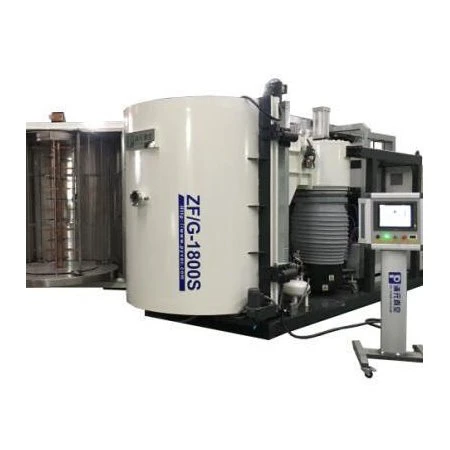
As a supplier of vacuum metallizing machines, we have the expertise and experience to help you overcome these challenges and achieve the best results for your medical device applications. Our machines are designed to provide high-quality, consistent coatings, and our team of experts can provide you with the support and guidance you need to ensure a successful metallization process.
If you are interested in learning more about using a vacuum metallizing machine for your medical device applications, or if you have any questions or concerns, please do not hesitate to contact us. We would be happy to discuss your specific needs and requirements and to provide you with a customized solution that meets your expectations. Let's work together to take your medical device technology to the next level.
References
- Smith, J. (2018). Vacuum Metallizing: Principles and Applications. New York: Wiley.
- Jones, A. (2019). Biocompatible Metals for Medical Devices. Journal of Biomedical Materials Research, 107(5), 1345-1352.
- Brown, C. (2020). Regulatory Considerations for Medical Device Manufacturing. Medical Device Technology, 31(3), 22-27.


