


As a supplier of Vacuum Metalizers, I'm often asked about how these fascinating machines work. In this blog post, I'll take you through the inner workings of a Vacuum Metalizer, explaining the process step by step and highlighting its applications and benefits.

The Basics of Vacuum Metalizing
Vacuum metalizing is a process that involves depositing a thin layer of metal onto a surface in a vacuum environment. This technique is widely used in various industries, including automotive, electronics, packaging, and decorative applications. The process offers several advantages, such as enhanced appearance, improved durability, and increased functionality.
The Components of a Vacuum Metalizer
A typical Vacuum Metalizer consists of several key components, each playing a crucial role in the metalizing process. Here's a breakdown of the main components:
- Vacuum Chamber: This is the heart of the Vacuum Metalizer, where the metalizing process takes place. The chamber is designed to create a low-pressure environment, typically in the range of 10^-3 to 10^-6 torr. This low pressure is essential for preventing oxidation and ensuring a clean and uniform metal deposition.
- Evaporation Source: The evaporation source is responsible for heating the metal material to its vaporization point. Common evaporation sources include resistance heaters, electron beam guns, and induction heaters. The choice of evaporation source depends on the type of metal being used and the specific requirements of the application.
- Substrate Holder: The substrate holder is used to hold the object to be metalized in place during the process. It is designed to ensure proper alignment and positioning of the substrate, allowing for accurate and consistent metal deposition.
- Vacuum Pumping System: The vacuum pumping system is used to create and maintain the low-pressure environment inside the vacuum chamber. It typically consists of a combination of roughing pumps and high-vacuum pumps, such as rotary vane pumps, diffusion pumps, and turbomolecular pumps.
- Control System: The control system is responsible for regulating the various parameters of the metalizing process, such as temperature, pressure, and deposition rate. It ensures that the process is carried out accurately and consistently, resulting in high-quality metalized products.
The Vacuum Metalizing Process
Now that we've covered the basic components of a Vacuum Metalizer, let's take a closer look at the metalizing process itself. The process can be divided into several steps:
- Preparing the Substrate: Before the metalizing process can begin, the substrate must be thoroughly cleaned and prepared. This involves removing any dirt, grease, or other contaminants from the surface of the substrate to ensure proper adhesion of the metal layer.
- Loading the Substrate: Once the substrate is prepared, it is loaded onto the substrate holder inside the vacuum chamber. The substrate holder is then positioned in the correct location for metal deposition.
- Evacuating the Chamber: The next step is to evacuate the vacuum chamber to create a low-pressure environment. This is done using the vacuum pumping system, which removes the air and other gases from the chamber until the desired pressure is reached.
- Heating the Evaporation Source: Once the chamber is evacuated, the evaporation source is heated to vaporize the metal material. The metal vapor then rises and condenses onto the surface of the substrate, forming a thin metal layer.
- Controlling the Deposition Process: During the metal deposition process, the control system monitors and regulates the various parameters, such as temperature, pressure, and deposition rate. This ensures that the metal layer is deposited evenly and with the desired thickness.
- Cooling and Unloading the Substrate: After the metal deposition is complete, the evaporation source is turned off, and the substrate is allowed to cool down. Once the substrate is cooled, it is unloaded from the vacuum chamber, and the metalized product is ready for further processing or use.
Applications of Vacuum Metalizing
Vacuum metalizing has a wide range of applications in various industries. Some of the common applications include:
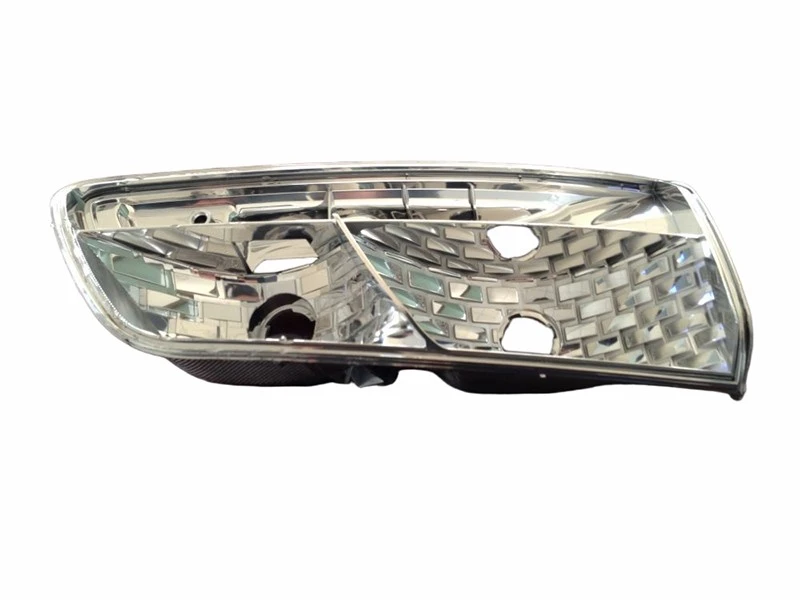
- Automotive Industry: Vacuum metalizing is used to create decorative and functional components for automobiles, such as chrome-plated trim, headlight reflectors, and interior accents.
- Electronics Industry: In the electronics industry, vacuum metalizing is used to create conductive coatings on printed circuit boards, electronic components, and displays.
- Packaging Industry: Vacuum metalizing is used to enhance the appearance and functionality of packaging materials, such as plastic bottles, cans, and boxes. It can also provide a barrier against moisture, oxygen, and other contaminants.
- Decorative Applications: Vacuum metalizing is widely used in the decorative industry to create a variety of metallic finishes, such as gold, silver, copper, and chrome. It can be applied to a wide range of materials, including plastic, glass, ceramic, and metal.
Benefits of Vacuum Metalizing
Vacuum metalizing offers several benefits over other metal coating techniques, such as electroplating and painting. Some of the key benefits include:
- High-Quality Metal Deposition: Vacuum metalizing allows for the deposition of a thin, uniform, and adherent metal layer on the surface of the substrate. This results in a high-quality finish with excellent appearance and durability.
- Versatility: Vacuum metalizing can be used to coat a wide range of materials, including plastic, glass, ceramic, and metal. It can also be used to deposit a variety of metals, such as aluminum, copper, silver, and gold.
- Environmentally Friendly: Vacuum metalizing is a relatively clean and environmentally friendly process compared to other metal coating techniques. It does not produce harmful chemicals or waste products, and it consumes less energy.
- Cost-Effective: Vacuum metalizing is a cost-effective alternative to other metal coating techniques, especially for large-scale production. It requires less equipment and materials, and it can be completed in a shorter time.
Our Vacuum Metalizer Products
As a leading supplier of Vacuum Metalizers, we offer a wide range of products to meet the diverse needs of our customers. Our products include Auto Lamp Vacuum Metallizing Machine, Vacuum Metalizer, and Plastic Vacuum Metallizing Machine. These machines are designed to provide high-quality metal deposition with excellent accuracy and consistency.
Contact Us for Purchasing and Negotiation
If you're interested in learning more about our Vacuum Metalizer products or would like to discuss your specific requirements, please don't hesitate to contact us. Our team of experts is always ready to assist you and provide you with the best solutions for your needs. Whether you're looking for a small-scale machine for research and development or a large-scale production line, we have the expertise and experience to help you find the right product.
References
- "Vacuum Metallizing: Principles and Practice" by John A. Thornton
- "Handbook of Vacuum Technology" by Peter K. T. Liu
- "Vacuum Coating Technology" by J. A. Thornton and A. S. Penfold


