


What is the coating thickness tolerance in a continuous coating line?
As a supplier of continuous coating lines, I've encountered numerous inquiries about coating thickness tolerance. This parameter is crucial in determining the quality and performance of coated products. In this blog, I'll delve into the concept of coating thickness tolerance in a continuous coating line, its significance, influencing factors, and how we, as a supplier, manage it to meet our customers' needs.
Understanding Coating Thickness Tolerance
Coating thickness tolerance refers to the allowable deviation from the specified coating thickness. In a continuous coating line, achieving a uniform coating thickness across the entire substrate is an ideal scenario. However, due to various factors, some degree of variation is inevitable. The tolerance range is typically defined by the manufacturer or the end - user based on the specific application requirements of the coated product.
For instance, in the case of Glass Continuous Coating Line, different applications demand different levels of coating thickness precision. Architectural glass used for building facades may have a relatively wider tolerance range compared to glass used in high - precision optical instruments. The latter requires a very tight tolerance to ensure accurate optical performance.
Significance of Coating Thickness Tolerance
The coating thickness directly affects the performance and properties of the coated product. If the coating is too thin, it may not provide adequate protection against corrosion, wear, or other environmental factors. On the other hand, an overly thick coating can lead to issues such as cracking, peeling, or increased production costs due to excessive use of coating materials.
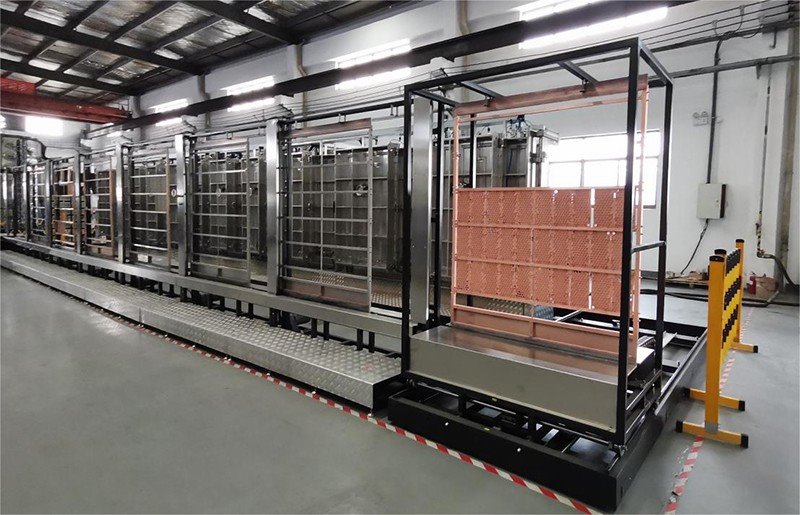
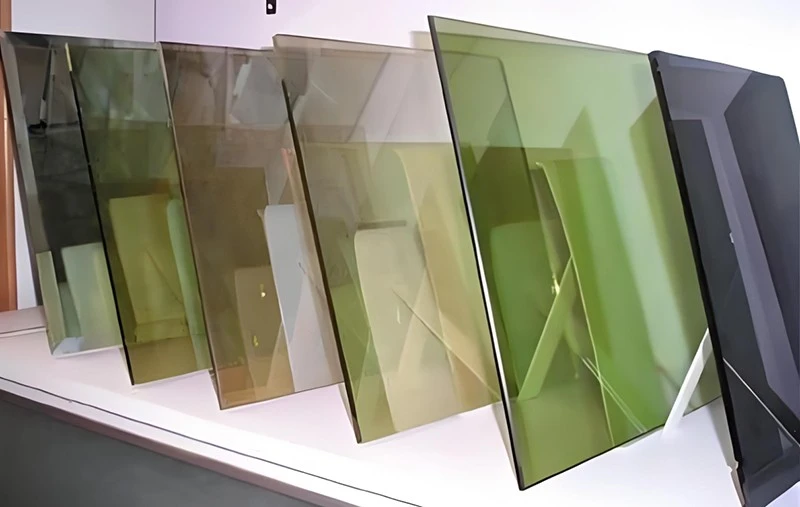
In automotive applications, where Magnetron Sputtering Coating Line is often used to coat components, precise coating thickness control is essential. A thin coating on engine parts may result in premature wear, while a thick coating can affect the dimensional accuracy of the parts, leading to fitting problems.
Influencing Factors on Coating Thickness Tolerance
- Equipment Stability: The stability of the continuous coating line equipment is a major factor. Fluctuations in the coating speed, pressure, or temperature can cause variations in the coating thickness. For example, in a Vertical Magnetron Sputtering Coating Line, if the sputtering power is not consistent, the deposition rate of the coating material will vary, resulting in uneven coating thickness.
- Substrate Properties: The surface roughness, cleanliness, and material composition of the substrate can also impact the coating thickness. A rough substrate surface may cause the coating to accumulate unevenly, leading to larger thickness variations. Additionally, different substrate materials may have different affinities for the coating material, affecting the adhesion and deposition process.
- Coating Material Characteristics: The viscosity, density, and particle size distribution of the coating material play a role in determining the coating thickness tolerance. Materials with high viscosity may be more difficult to apply uniformly, resulting in greater thickness variations.
- Environmental Conditions: Temperature, humidity, and air flow in the coating environment can influence the coating process. High humidity can cause the coating material to dry unevenly, while air currents can disrupt the deposition process, leading to inconsistent coating thickness.
Managing Coating Thickness Tolerance in Our Continuous Coating Lines
As a supplier, we take several measures to ensure tight control of coating thickness tolerance in our continuous coating lines.
- Advanced Monitoring Systems: We equip our coating lines with state - of - the - art monitoring systems that continuously measure the coating thickness during the production process. These systems use non - contact measurement techniques such as optical sensors or ultrasonic sensors to provide real - time feedback. If the coating thickness deviates from the set value, the system can automatically adjust the coating parameters to correct the problem.
- Process Optimization: Through extensive research and development, we optimize the coating process parameters such as coating speed, pressure, and temperature to minimize thickness variations. We conduct numerous trials and experiments to find the optimal settings for different substrate materials and coating materials.
- Quality Control Procedures: We have a comprehensive quality control system in place. Every batch of coated products undergoes strict inspection to ensure that the coating thickness meets the specified tolerance range. Samples are taken at regular intervals and analyzed using advanced measurement equipment. If any non - conformities are detected, the production process is immediately stopped, and corrective actions are taken.
Meeting Customer Requirements
We understand that different customers have different requirements for coating thickness tolerance. Some customers may need extremely tight tolerances for high - precision applications, while others may be more flexible depending on the end - use of the product. We work closely with our customers to understand their specific needs and customize our coating lines accordingly.
For customers in the electronics industry, who often require very precise coating thickness for components such as printed circuit boards, we can fine - tune our coating lines to achieve tolerances within a few micrometers. On the other hand, for customers in the general manufacturing industry where the requirements are less stringent, we can still provide a cost - effective solution with acceptable coating thickness tolerance.
Conclusion
Coating thickness tolerance is a critical aspect of the continuous coating process. It directly impacts the quality, performance, and cost of the coated products. As a supplier of continuous coating lines, we are committed to providing our customers with high - quality equipment and solutions that ensure tight control of coating thickness tolerance. By leveraging advanced technology, process optimization, and strict quality control, we can meet the diverse needs of our customers across various industries.
If you are interested in our continuous coating lines and would like to discuss your specific coating thickness tolerance requirements, please feel free to contact us for a detailed consultation. We look forward to working with you to achieve the best coating results for your products.
References
- "Coating Technology Handbook" by John A. Dilettato
- "Surface Engineering for Corrosion and Wear Resistance" by William G. Sargent
- Industry research reports on continuous coating line technology and applications


