


Hey there! As a supplier of DLC Coating Machines, I've seen firsthand the growing interest in coating flexible materials with these machines. DLC, or Diamond-Like Carbon, coatings offer a range of benefits, such as high hardness, low friction, and excellent wear resistance. But when it comes to flexible materials, there are some unique challenges that we need to tackle. Let's dive into what those challenges are and how we can address them.
Adhesion Issues
One of the biggest challenges when coating flexible materials with a DLC coating machine is ensuring good adhesion between the coating and the substrate. Flexible materials, like plastics, rubber, and textiles, have different surface properties compared to rigid materials. They often have low surface energy, which means that the coating may not stick well.
For example, plastics can have a smooth and non - porous surface, making it difficult for the DLC coating to bond. To overcome this, we usually need to pre - treat the surface. This can involve processes like plasma cleaning or chemical etching. Plasma cleaning can remove contaminants from the surface and increase its surface energy, allowing the coating to adhere better. Chemical etching, on the other hand, can create a rough surface on the flexible material, providing more sites for the coating to bond to.
Flexibility and Coating Integrity
Flexible materials are designed to bend, stretch, and deform. When a DLC coating is applied to these materials, it needs to be able to withstand these mechanical stresses without cracking or delaminating. The coating's internal stress is a crucial factor here. If the internal stress is too high, the coating is more likely to crack when the material is bent or stretched.
To deal with this, we need to optimize the coating process parameters. For instance, adjusting the deposition rate can affect the internal stress of the coating. A slower deposition rate may result in a coating with lower internal stress, making it more flexible. We also need to consider the thickness of the coating. A thinner coating is generally more flexible than a thicker one, but it may not provide the same level of protection. So, finding the right balance is key.
Temperature Sensitivity
Many flexible materials are sensitive to high temperatures. DLC coating processes often involve high - energy deposition methods, which can generate a significant amount of heat. If the temperature during the coating process is too high, it can cause the flexible material to warp, melt, or degrade.
For example, some plastics have a low melting point. When exposed to high temperatures during the DLC coating process, they can lose their shape and mechanical properties. To solve this problem, we can use low - temperature coating techniques. Some advanced DLC coating machines are capable of operating at relatively low temperatures, minimizing the risk of damage to the flexible material. Additionally, we can use cooling systems to keep the temperature of the substrate under control during the coating process.
Uniformity of Coating
Achieving a uniform coating on flexible materials can be quite challenging. Flexible materials may have irregular shapes or surfaces, which can lead to uneven coating thickness. In some cases, the coating may be thicker in some areas and thinner in others.
This non - uniformity can affect the performance of the coating. For example, if the coating is too thin in some areas, it may not provide adequate protection against wear and corrosion. To ensure uniformity, we can use advanced coating techniques, such as magnetron sputtering. Magnetron sputtering can provide a more controlled deposition process, allowing us to achieve a more uniform coating thickness. We can also use fixtures and jigs to hold the flexible material in place during the coating process, ensuring that it is exposed to the coating source evenly.
Compatibility with Different Flexible Materials
There is a wide variety of flexible materials available, each with its own unique properties. A DLC coating that works well on one type of flexible material may not work on another. For example, the surface chemistry of rubber is different from that of a textile. The coating process and parameters need to be adjusted accordingly to ensure compatibility.
We need to conduct extensive testing to determine the best coating process for each type of flexible material. This may involve trial - and - error testing, where we apply the coating to small samples of the flexible material and evaluate its performance. Based on the test results, we can optimize the coating process parameters to achieve the best results.
Our Solutions and Product Range
At our company, we understand these challenges and have developed solutions to address them. We offer a range of DLC Coating Machines that are designed to handle flexible materials. Our machines are equipped with advanced features, such as low - temperature coating capabilities and precise process control systems.
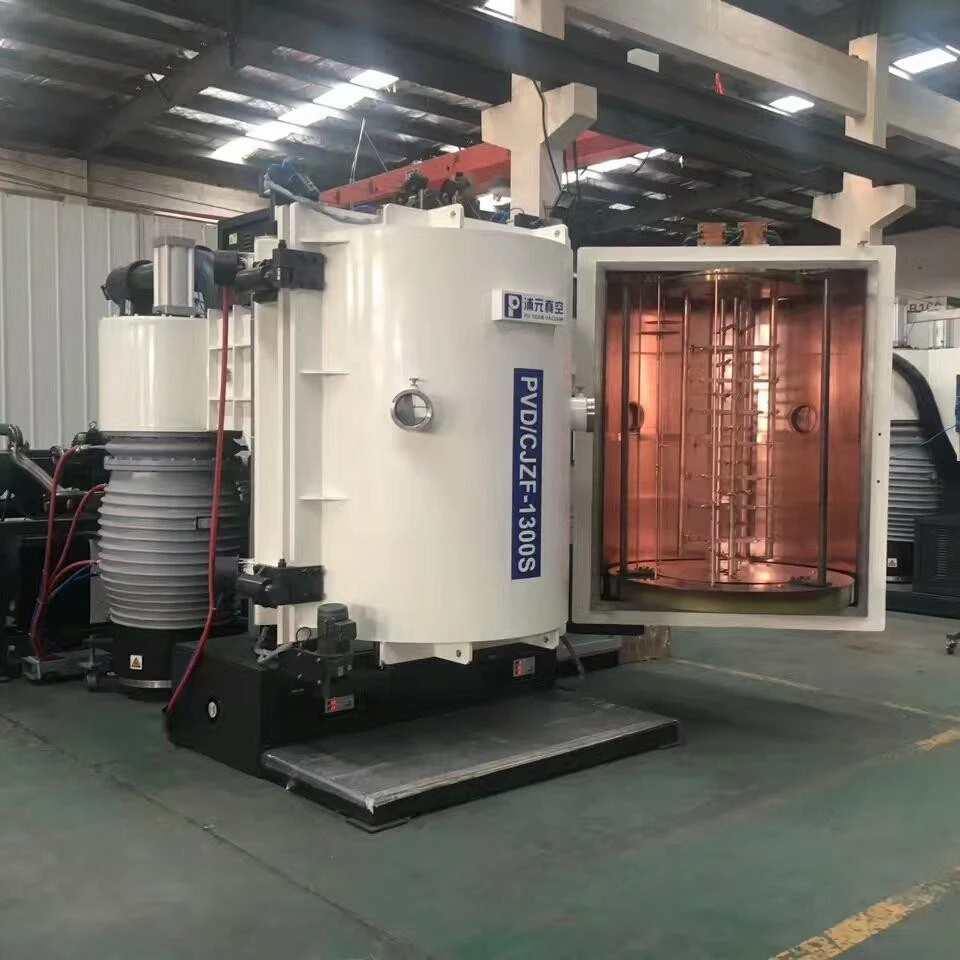

For example, our Double Door Headlight Special PVD Coating Machine is suitable for coating flexible materials used in automotive headlights. It can provide a high - quality DLC coating with excellent adhesion and uniformity. Our Ceramic PVD Coating Machine is another great option. It can be used to apply DLC coatings on a variety of flexible materials, including plastics and rubber. And if you're looking to coat stainless - steel flexible components, our Stainless Steel PVD Coating Machine is the perfect choice.
Conclusion
Coating flexible materials with a DLC coating machine is not without its challenges. Adhesion, flexibility, temperature sensitivity, uniformity, and compatibility are all important factors that need to be considered. However, with the right technology and expertise, these challenges can be overcome.
If you're interested in coating flexible materials with DLC coatings and are looking for a reliable DLC Coating Machine supplier, don't hesitate to get in touch. We're here to help you find the best solution for your specific needs. Whether you're in the automotive, electronics, or textile industry, we have the experience and the products to meet your requirements. Contact us today to start a discussion about your coating needs and let's work together to achieve the best results.
References
- "Diamond - Like Carbon Coatings: Structure, Properties, and Applications" by A. Grill
- "Surface Engineering for Wear and Corrosion Resistance" by W. G. Sloof
- "Physical Vapor Deposition: A Review" by D. M. Mattox


